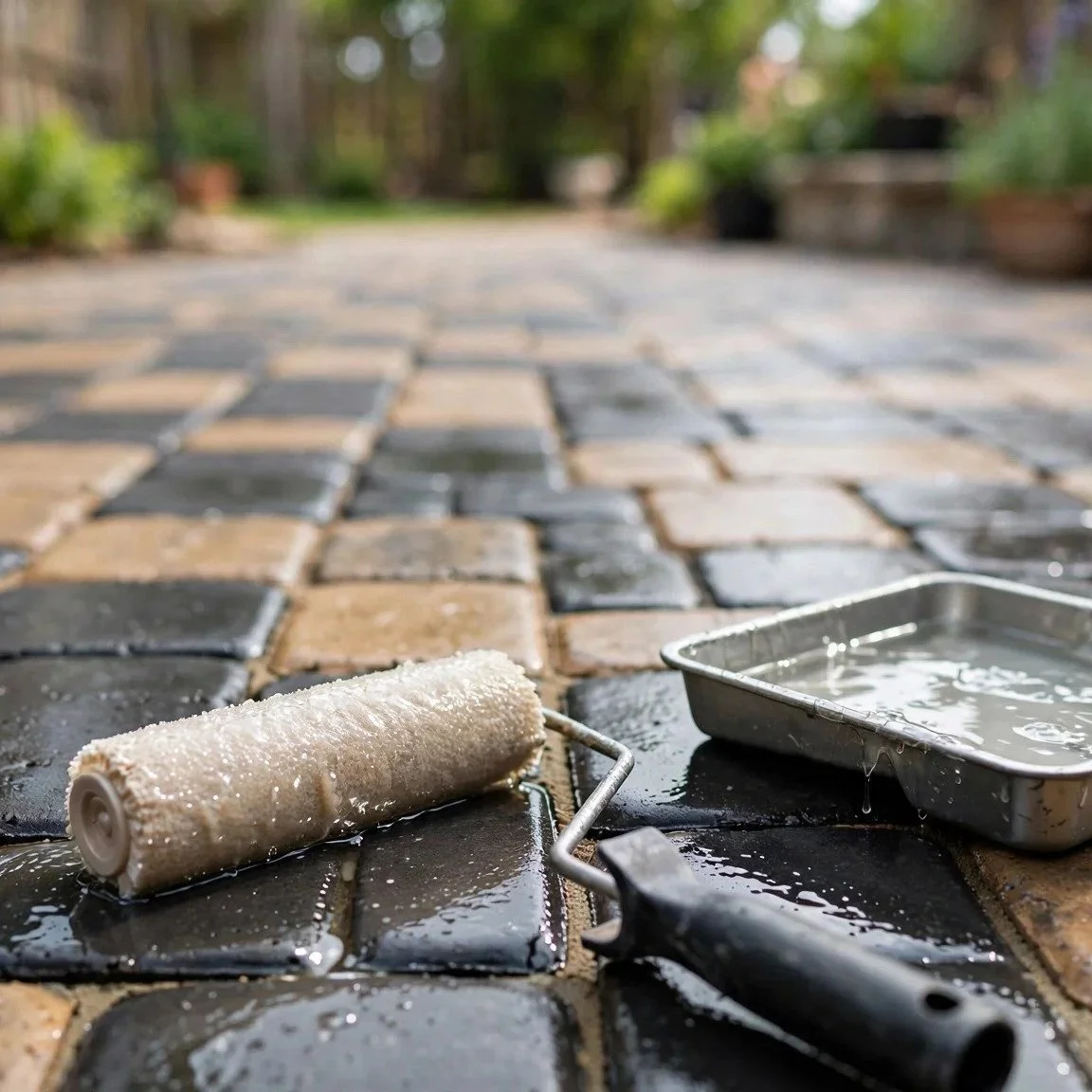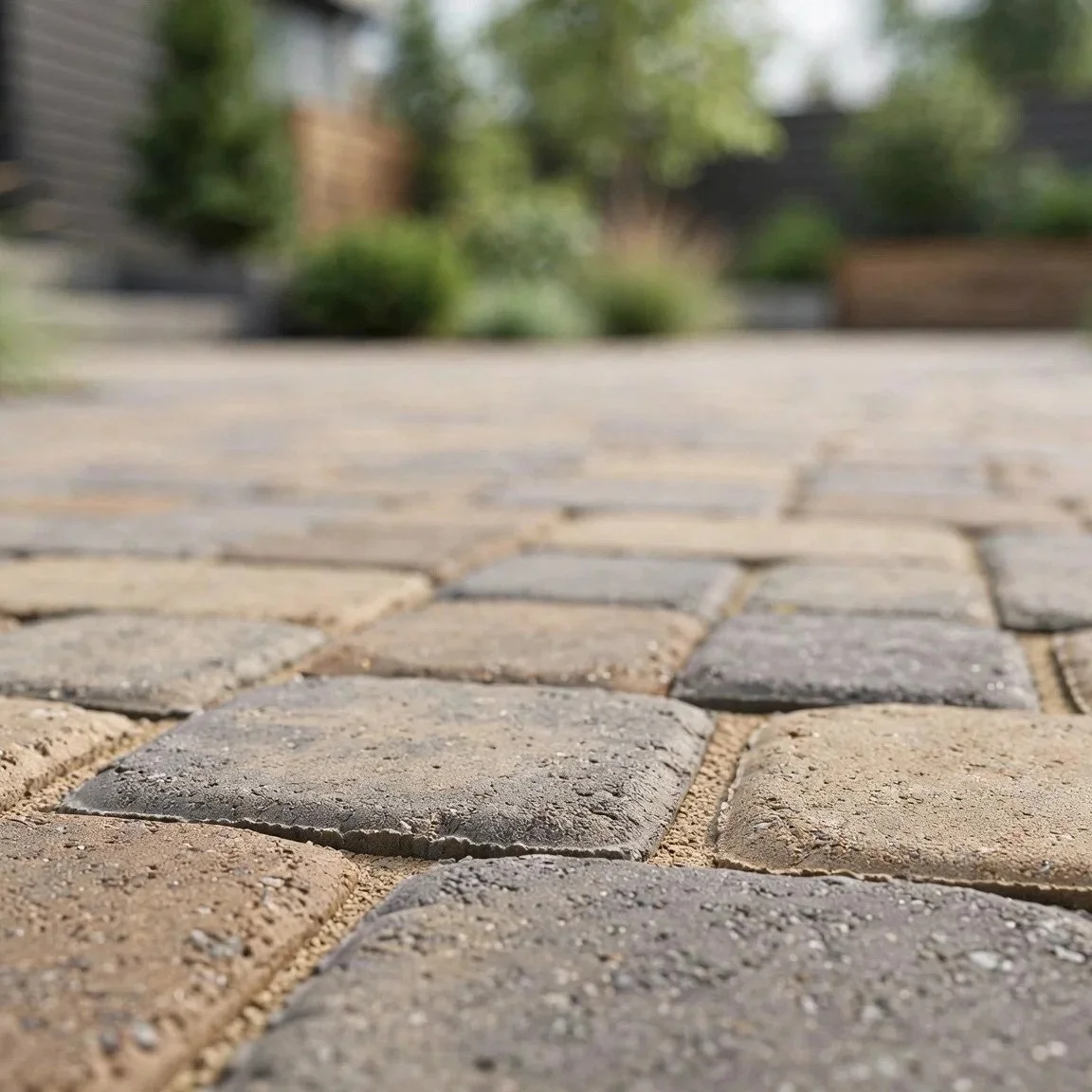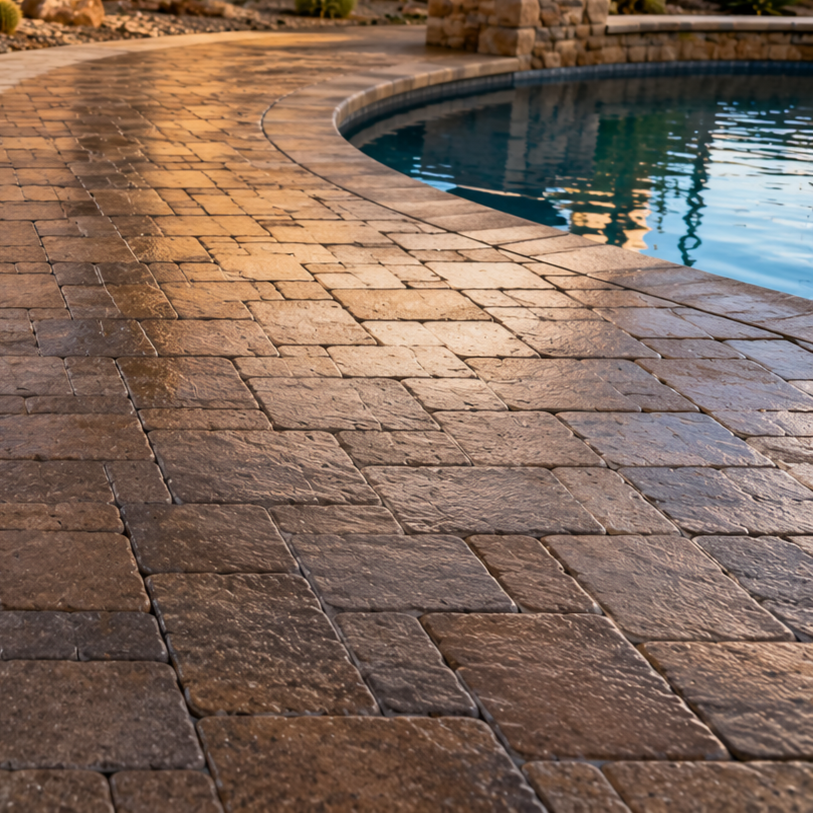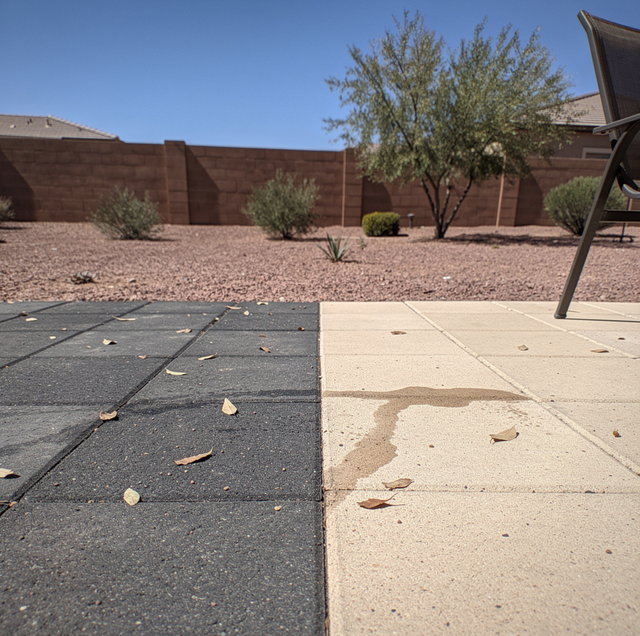
A charcoal paver sample looks sharp on a showroom shelf. Laid across a full patio in direct sun for a summer afternoon, that same charcoal can climb well past the temperature of a lighter buff or tan unit a few feet away.
Read More
A charcoal paver sample looks sharp on a showroom shelf. Laid across a full patio in direct sun for a summer afternoon, that same charcoal can climb well past the temperature of a lighter buff or tan unit a few feet away.
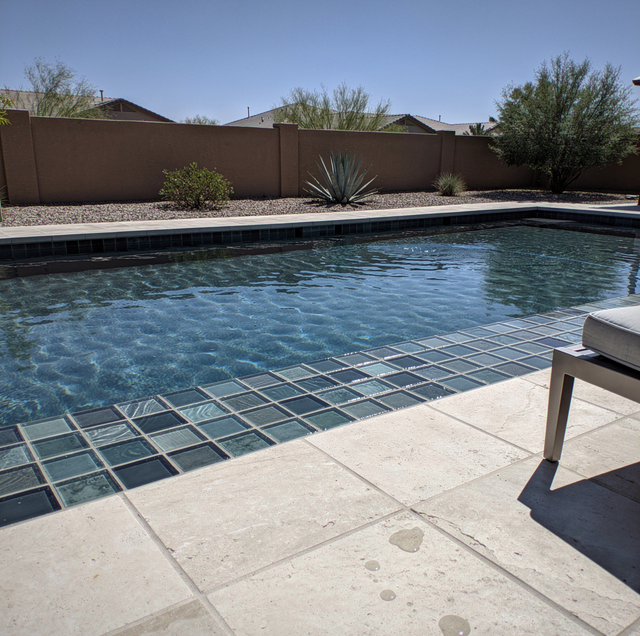
Read MorePool tile sits in one of the toughest spots on your property. It gets direct sun for most of the day, sits partly submerged in treated water, and experiences constant temperature swings between the waterline and the deck above it.
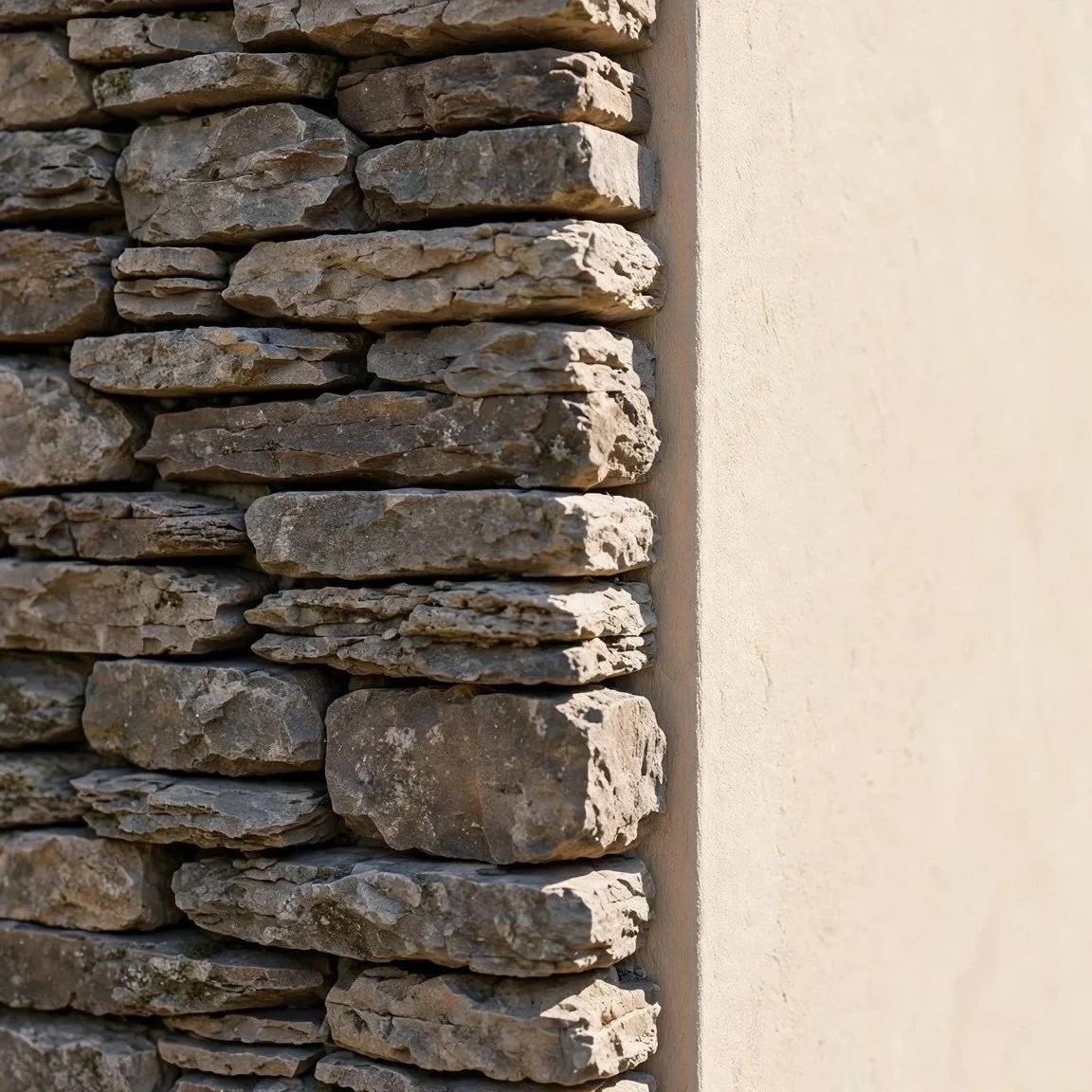
Read MoreTwo houses on the same street can wear two completely different skins, and both look right. One has the deep shadow lines of stacked stone across the entry; the next reads as one smooth, uniform plane of stucco.
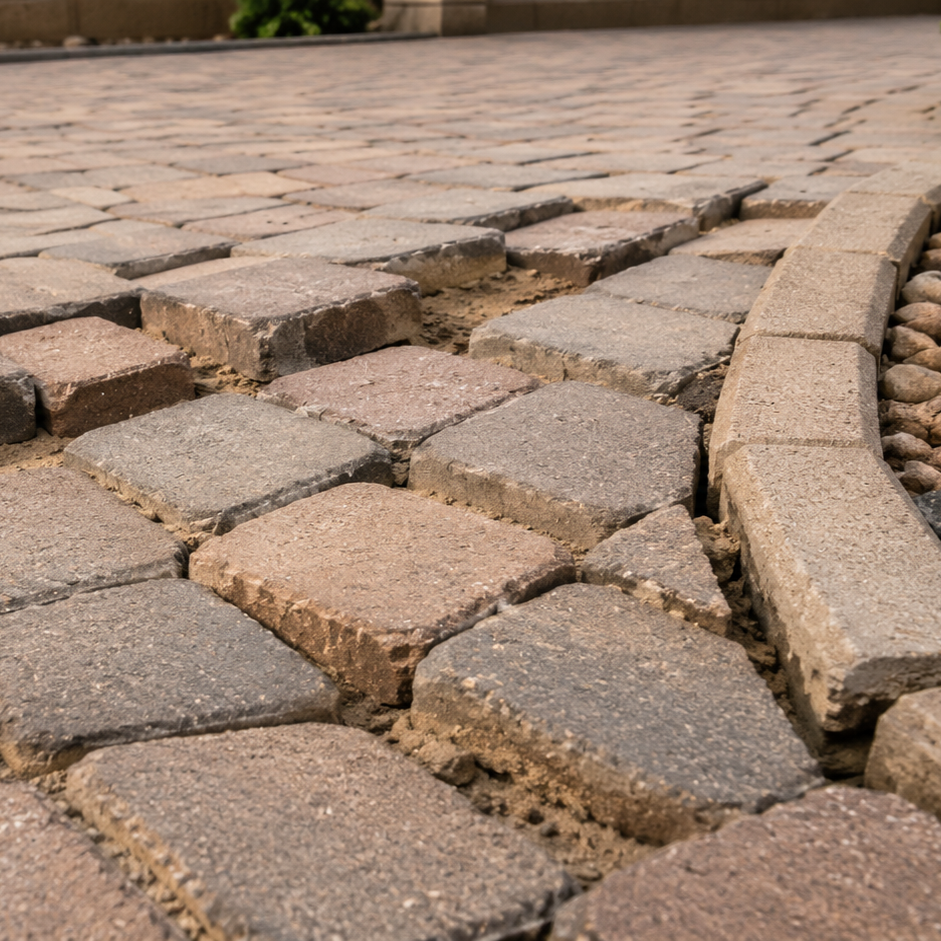
Read MoreA paver patio that ripples, dips at one corner, or shows a low spot where water collects rarely has a paver problem. The pavers are fine. What moved was everything beneath them.
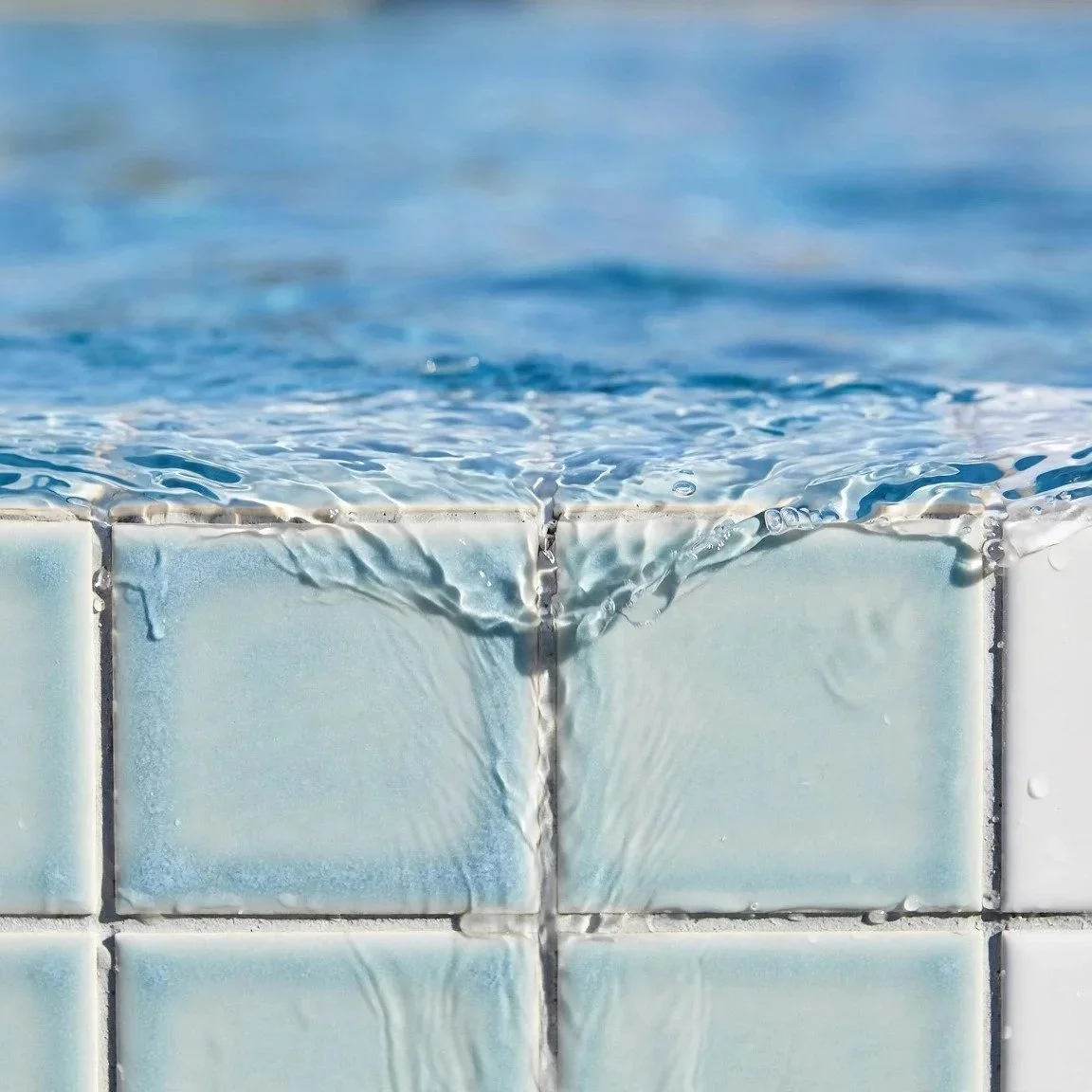
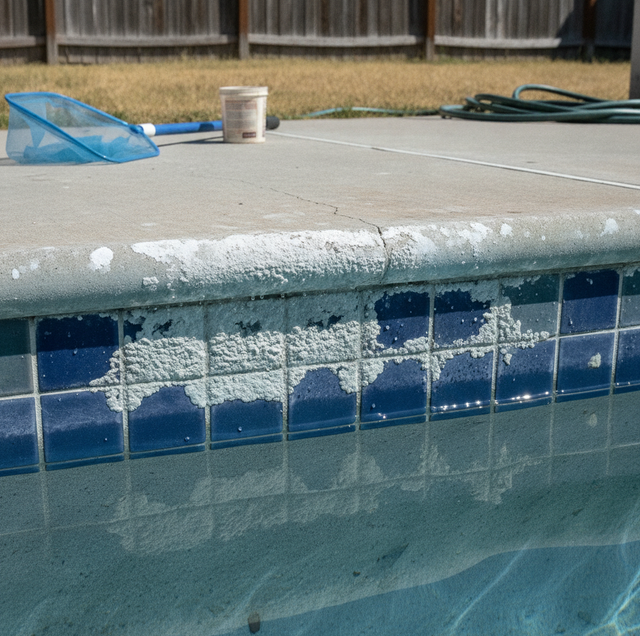
Read MoreThe white band that creeps along a waterline is calcium that left the water and hardened onto the tile, and the surface you chose partly decides how fast it grabs hold and how hard it is to clean off.
Read MorePavers rarely fail all at once. They fade a shade, a weed pushes up through a joint, a grease spot refuses to rinse away, and one season later the surface looks tired even though not a single stone is cracked.
Read MoreMost paver regret starts with a good-looking sample chosen for the wrong spot. A homeowner falls for a smooth, glossy stone, sets it around a pool, and spends the next summer watching guests slip.
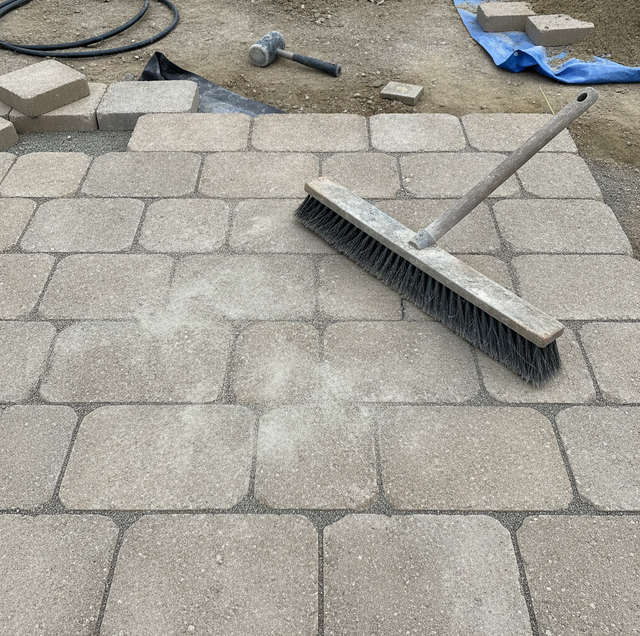
Read MorePolymeric sand starts from that same fine sand but blends in polymer binders, the part that changes everything. You sweep it into the joints dry, then activate it with a light misting of water.
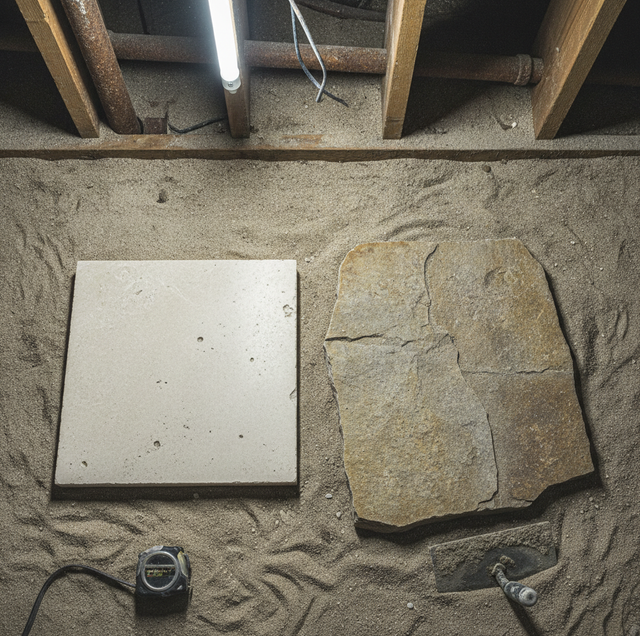
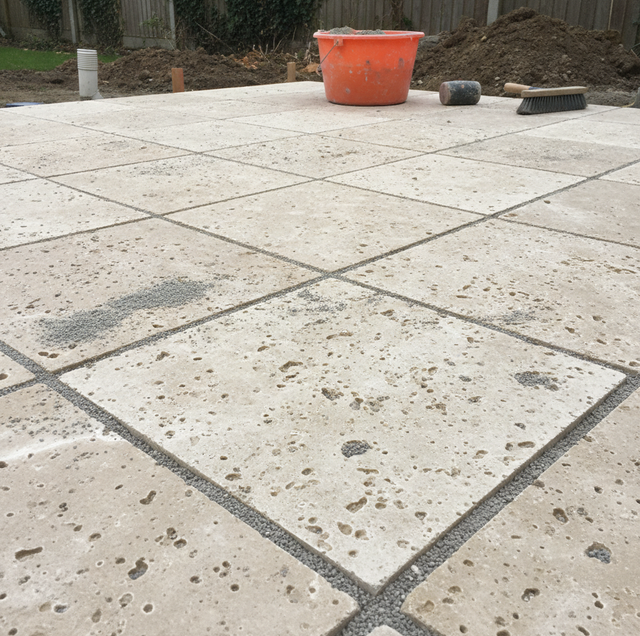
Read MoreTravertine is a sedimentary limestone that forms around mineral springs, and the quarry cuts it into standard tiles and pavers. Flagstone is a category, not one rock. It covers flat, layered stones such as sandstone and quartzite that split naturally along their bedding planes into broad, thin slabs.
Read MorePool water always carries dissolved calcium, and it holds that calcium in solution only within a narrow chemistry window. When the water tips out of balance, the mineral drops out and cements itself to whatever surface it meets first.
Read MoreNatural stone pavers are quarried. A block of travertine, flagstone, or granite is cut and split out of the earth, so no two pieces are identical. Concrete pavers are manufactured. Cement, aggregate, and mineral pigment are pressed into steel molds, so every unit comes out the same size, the same shape, and the same color.
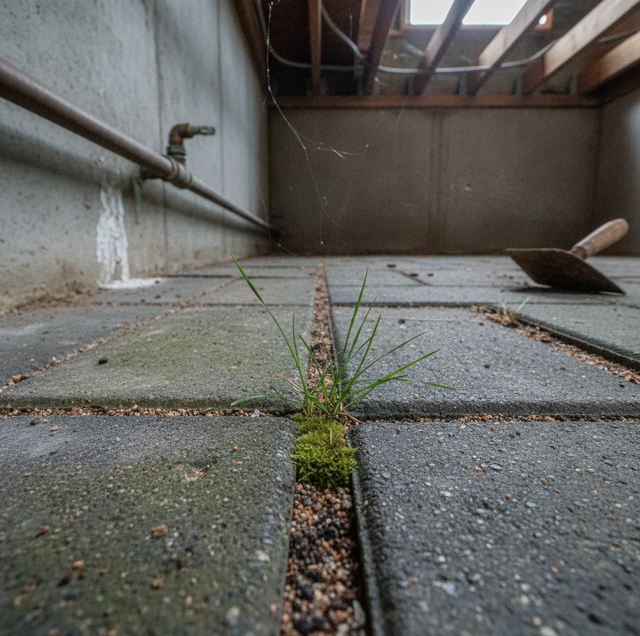
Read MoreA properly built paver installation works against growth from below. The pavers sit on a compacted aggregate base and a bedding layer, and that compacted structure is dense enough that seeds from underneath have almost nothing to work with.
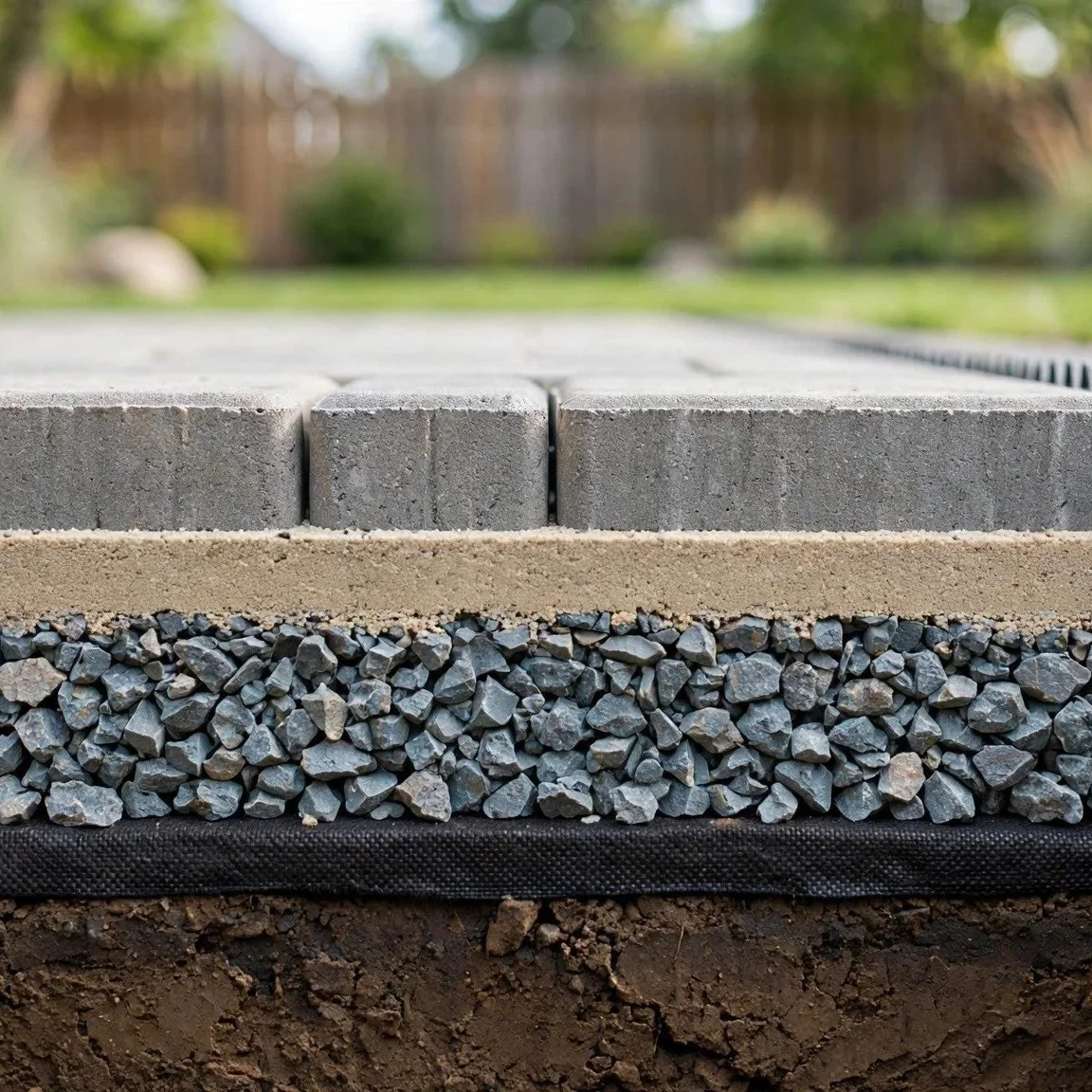
Read MoreA paver patio is a system: a compacted base of crushed stone, a thin setting layer of sand, the pavers themselves, edge restraints around the perimeter, and joint sand locking it all together.
Read MoreA paver sealer is a protective coating applied over the pavers and joints. It does several things at once: it makes the surface more resistant to stains and spills, helps lock the joint sand in place so it doesn't wash out as easily, can enhance or deepen the pavers' color, and makes routine cleaning easier.
Read MoreLoose stone stays put only when two things are true: water isn't running through it hard enough to carry it, and something is holding it in place. When pebbles migrate, one or both of those has broken down — water is flowing across or under the rock, or there's nothing to contain it at the edges and no stable base beneath it.
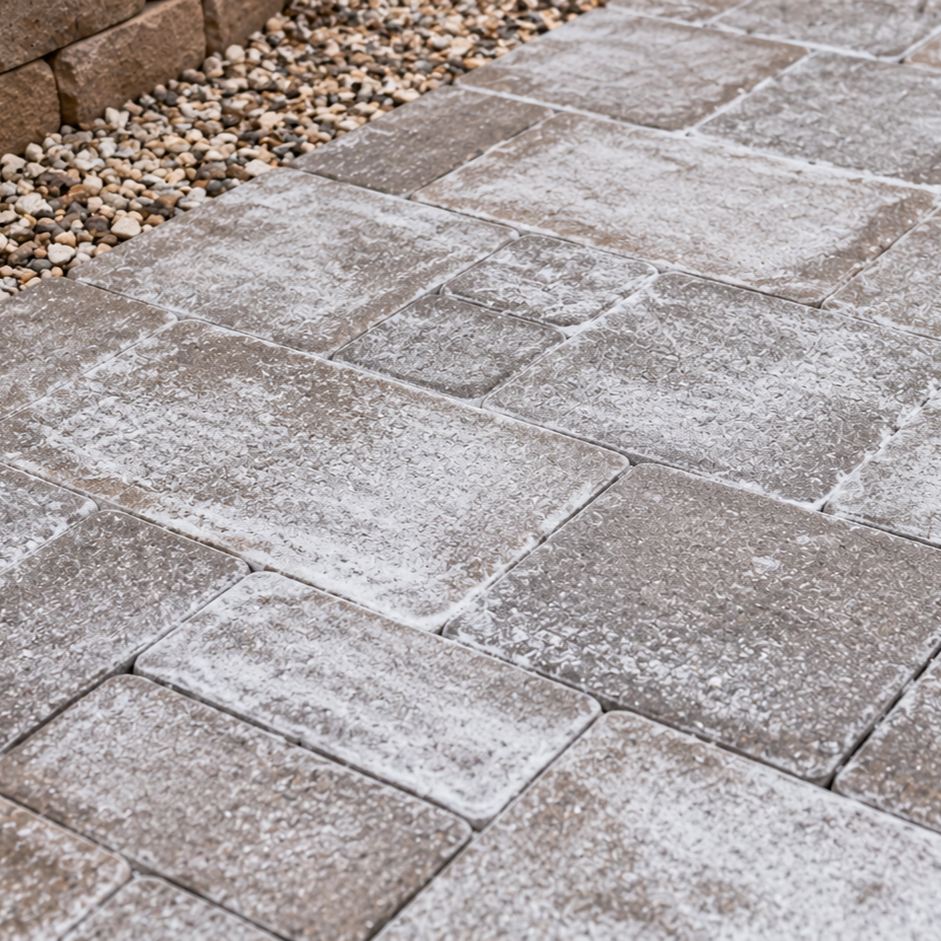
Read MoreEfflorescence is a deposit of water-soluble salts that occur naturally inside concrete pavers, mortar, and many stones. On their own, those salts sit harmlessly in the material.
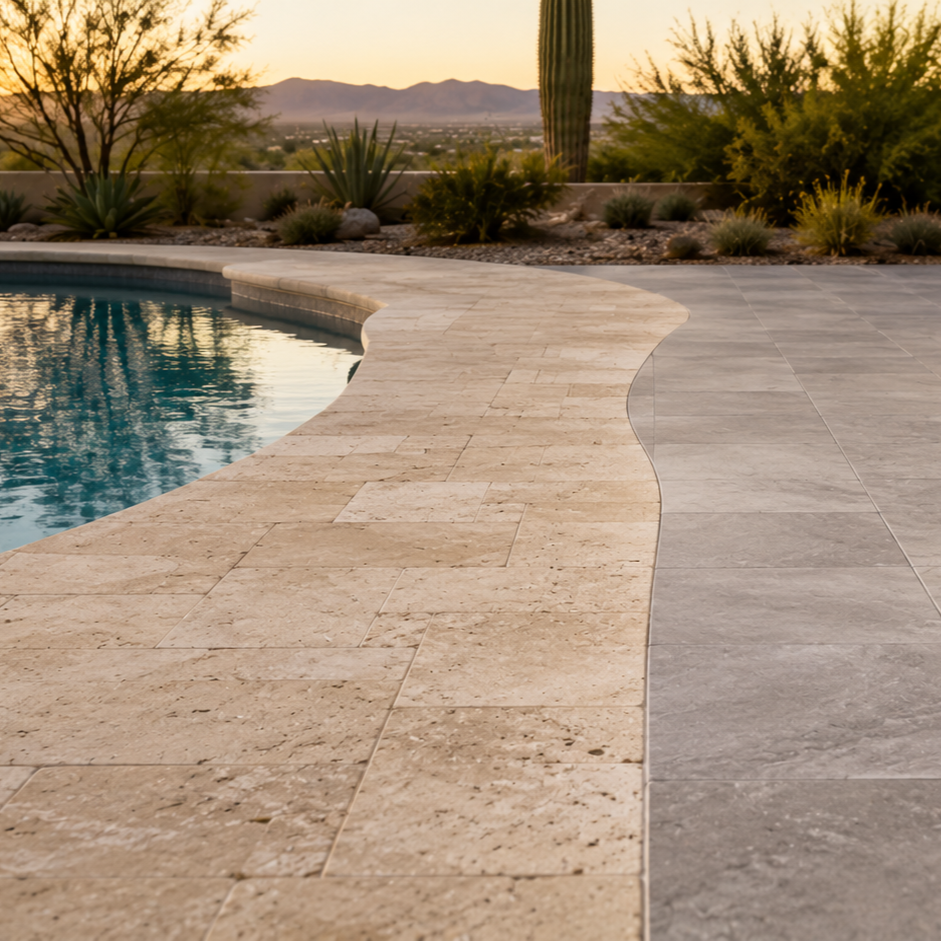
Read MoreTravertine is a natural stone, formed over time and quarried into pavers. Porcelain pavers are manufactured. They're made from refined clays fired at very high temperatures, which produces an extremely dense, hard tile that's nearly non-porous.
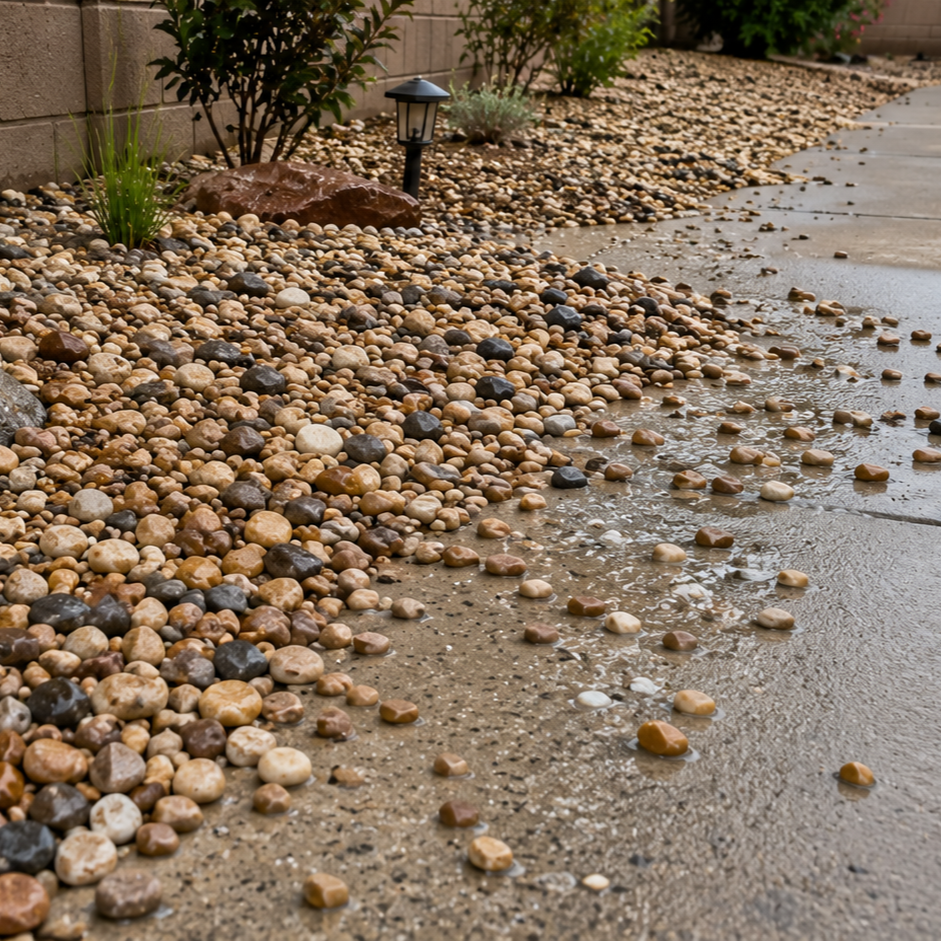
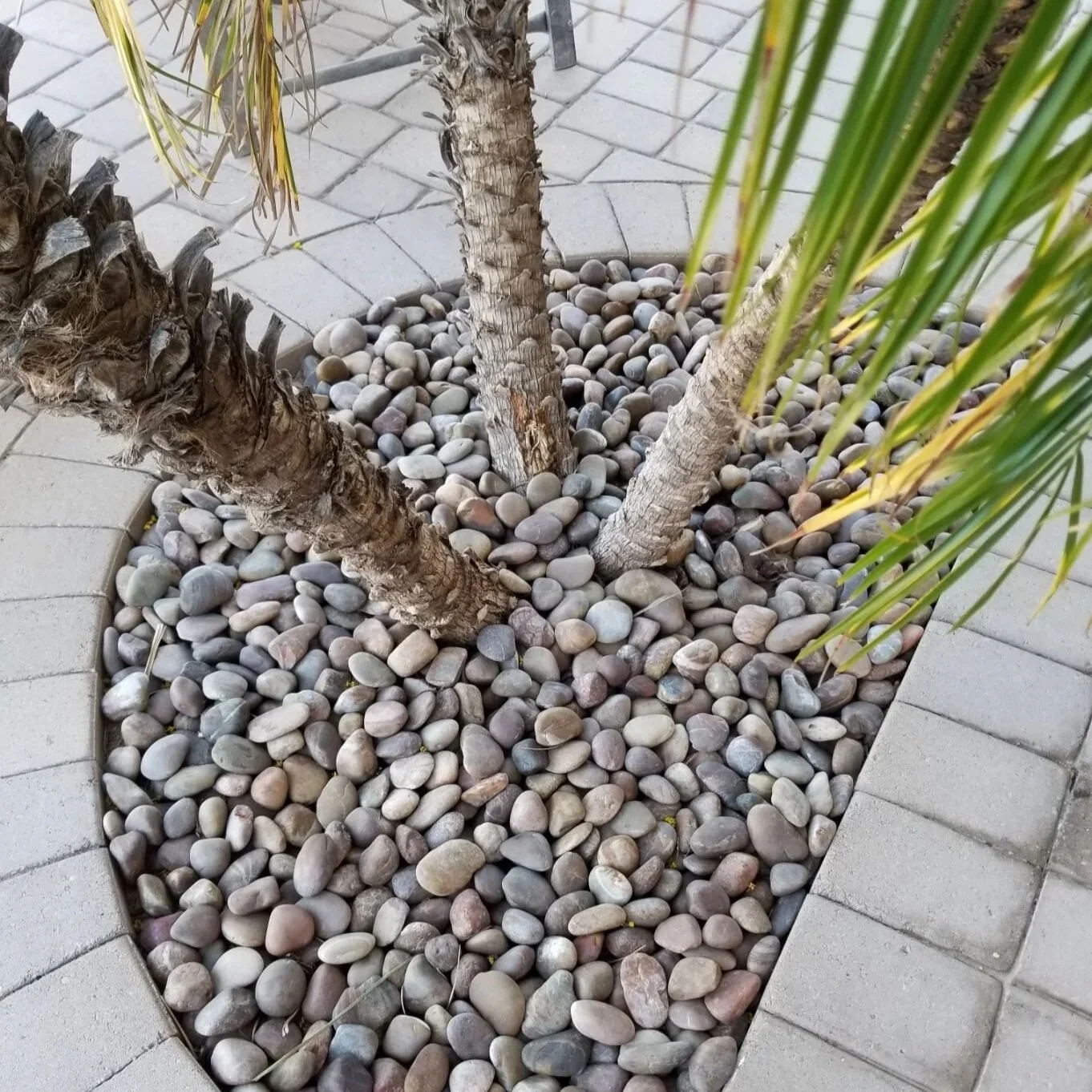
Read MoreI rake them flat on Saturday, and by Tuesday, my beach pebbles are piled against the walkway and scattered into the lawn.
Read MoreI cannot even set my drink down without watching it slide toward the low corner between those pavers.
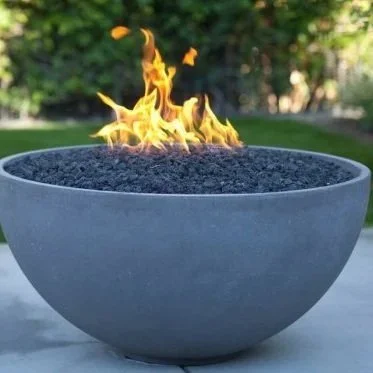
Read MoreIn Arizona, homeowners install fire glass to create a bold focal point in their outdoor living space.
Read More