
Natural Stone vs Concrete Pavers: Which Lasts Longer
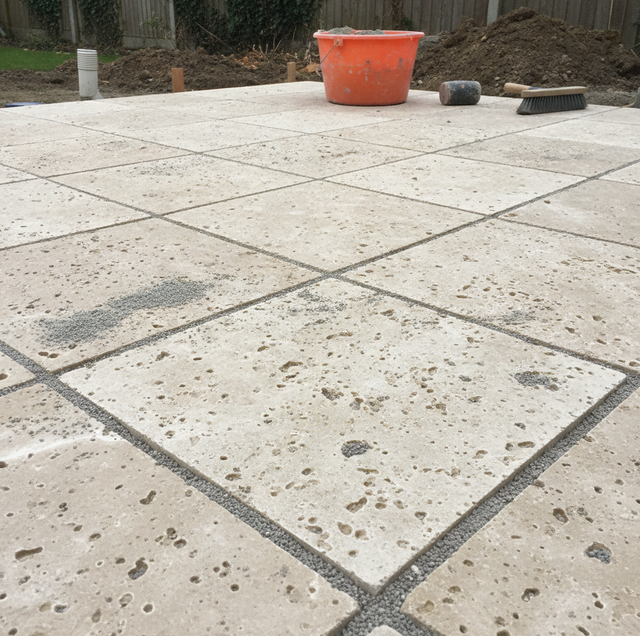
Stand in a paver aisle, and the two options can look interchangeable: flat, rectangular, ready to set into a patio. They are not. One is cut from the ground, and one is poured in a mold, and that single difference shapes how each behaves underfoot on a hot afternoon, how it ages under the sun, and what you do when a piece cracks five years from now. Knowing which is which before you buy saves you from a surface that looks right on install day and disappoints later.
What Actually Separates the Two
Natural stone pavers are quarried. A block of travertine, flagstone, or granite is cut and split out of the earth, so no two pieces are identical. The color, the veining, and the surface texture come from the rock itself, which means the shade you see runs all the way through the piece rather than sitting on top. That also means variation: hardness and porosity differ from stone to stone. Travertine is soft and full of small pockets; granite is dense and nearly non-absorbent; flagstone falls somewhere between with an irregular, cleft face.
Concrete pavers are manufactured. Cement, aggregate, and mineral pigment are pressed into steel molds, so every unit comes out the same size, the same shape, and the same color. That consistency is the selling point. It also lets makers add interlocking edges and offer a wide catalog of shapes and finishes, from tumbled cobble to sharp modern rectangles. The tradeoff is that the color comes from pigment blended into the mix and concentrated near the surface, not from the material's own makeup.
Both are installation cousins once you get past the material. Each sits on the same foundation: several inches of compacted aggregate base topped with a leveling layer of bedding sand, with the pavers set tight and the joints filled. So the choice is less about how they go down and more about how they live once they are down.
How They Compare, Point by Point
| Factor | Natural Stone Pavers | Concrete Pavers |
|---|---|---|
| Origin | Quarried, each piece unique | Manufactured, uniform size and color |
| Color source | Runs through the whole stone | Pigment concentrated near the surface |
| Relative cost | Higher, material, and cutting driven | Lower, mass-produced |
| Surface heat in sun | Lighter stone, like travertine, stays cooler | Darker units absorb and hold more heat |
| Fading | Minimal, color is integral | Surface pigment can lighten over the years of UV exposure |
| Sealing | Usually recommended, more so for porous stone | Optional, mainly for stain resistance |
| Strength | Varies by stone type | Engineered, high compressive strength |
| Repair | Lift and swap one piece | Lift and swap one piece |
The table earns its keep here because the decision really comes down to a handful of trade-offs, not a single deciding factor. Cost pulls many people toward concrete. Appearance and heat pull others toward the stone. Where you land depends on which of these rows matters most for your specific project.
Heat, Sun, and Why Surface Temperature Matters
In a climate with long, punishing sun, the surface temperature of a paver is not a small detail. Light-colored natural stone, travertine especially, reflects more of that solar load and stays noticeably cooler than a dark concrete unit that absorbs heat and holds it. That is why travertine keeps turning up around pools, where bare feet meet the deck dozens of times a day. Color drives most of this, so a pale concrete paver narrows the gap against a dark stone, but among comparable shades, the stone tends to run cooler.
Fading works in the opposite direction. Because a natural stone's color is the stone itself, ultraviolet exposure barely affects it over a normal service life. Concrete relies on pigment, and pigment near the surface slowly lightens under years of direct sun. Manufacturers formulate mixes to resist this, and a quality paver holds up well, but it is the more likely of the two to look sun-washed a decade in.
Sealing, Weeds, and the Joints Between
Sealing is where the difference in porosity shows. Porous stone, such as travertine or some sandstones, absorbs spills and benefits from a penetrating sealer, often reapplied every couple of years, depending on wear and traffic. Dense granite needs it far less. Concrete pavers do not strictly require sealing, though a sealer helps them shrug off oil and stains and can slow pigment fade.
The joints matter for both. Polymeric sand, a blend of fine sand and binders, is swept into the gaps and then misted, hardening into a firm, flexible fill. Locked joints resist weeds and ants that colonize loose sand, and they hold the pavers in the field together as a unit. Whichever paver you choose, the joint sand is doing quiet structural work, not just filling space.
Repair, Strength, and Matching Down the Road
Both surfaces share one convenient trait: you fix them one piece at a time. A cracked or stained paver gets pried up, the base is re-leveled, and a replacement drops in, no jackhammering a slab. The catch is matching. The concrete paver color may be discontinued, so buying a few spares at installation is smart. A natural stone piece will match in type, but shade and veining vary lot to lot, so a swapped stone rarely blends invisibly, which many owners accept as part of a natural material's character.
Strength is where concrete has a real edge for heavy loads. Manufactured pavers are made to meet a specified compressive strength, which is why interlocking concrete is a common choice for driveways that carry vehicle traffic every day. Natural stone can serve as a driveway, too, but you have to choose a hard, thick stone and set it well, whereas a softer stone suits patios and pool decks better than it does tire traffic.
Choosing the Surface That Fits Your Project
There is no universal winner here, only a better fit for what you are building and what you care about. If budget is a concern and you want uniform, predictable results with driveway-grade strength, concrete pavers make a strong case. If you want a surface with depth of color that ages gracefully, stays cooler where feet go bare, and reads as a natural material, stone is worth the added cost. Walk both underfoot on a warm day, look at how each will weather over the years you plan to keep it, and match the material to how that space is actually used.
Frequently Asked Questions
Which paver stays cooler underfoot in direct sun?
Lighter natural stone wins, and travertine is the usual example because its pale color reflects solar heat while its porous surface holds less of it. A dark concrete paver does the opposite, soaking up heat and radiating it back into bare feet. Around a pool, this is the most noticeable difference, since that is where people are most often barefoot. If you love a concrete look but want the cooler surface, choosing the palest shade in the line closes much of the gap, because color matters more than the material itself.
Do concrete pavers fade, and does natural stone fade too?
Concrete pavers can fade because their color comes from pigment mixed into the surface layer, and years of ultraviolet exposure gradually lightens it, sometimes unevenly if part of the area sits in shade. Natural stone barely fades at all, since the color is the mineral running through the whole piece rather than a coating. One practical tell: chip the edge of a faded concrete paver, and you may see brighter material underneath, while a chipped stone shows the same color all the way in.
How often does each type need sealing?
Porous natural stone like travertine or sandstone usually requires a penetrating sealer reapplied every couple of years, sooner in high-traffic zones or where it takes food and drink spills. Dense stone, such as granite, needs sealing rarely, if ever. Concrete pavers do not require it, but a coat helps repel oil and grease, which is worth considering for a driveway apron where cars drip. A quick test for any of them: splash a little water on it and see if it beads or soaks in, then reseal once it stops beading.
If a paver gets damaged, can I replace just one and match it later?
Yes to replacing one, with a caveat on matching. Both types let you pry up a single unit, relevel the bedding, and set a new piece without disturbing the rest. Concrete colors do get discontinued, so buy a handful of spares from the same production run at install and store them. Natural stone always matches by type, but shade and veining shift from one quarry lot to the next, so a later replacement blends approximately rather than perfectly, something most owners treat as part of a natural surface.
Which is stronger for a driveway that carries vehicles daily?
Concrete pavers usually have the edge, because they are made to a tested compressive strength and often shaped with interlocking edges that spread wheel loads across neighbors instead of letting one unit take the hit. That is why you see interlocking concrete on so many driveways. Natural stone can handle vehicles, but you need a hard, thick stone set on a well-compacted base, and a soft stone like standard travertine is better suited to patios and pool decks than to being under tires.
Do weeds and ants come up through the joints, and can I stop them?
They can, especially where the joints are filled with plain sand that stays loose and lets seeds and insects settle in. Polymeric sand is the common fix: swept into the joints and then misted, it cures into a firm fill that resists weed growth and ant tunneling while still flexing with the pavers. It works the same under both stone and concrete. If weeds already appear, clearing the old joint material and installing fresh polymeric sand usually resolves the issue without lifting the pavers.
Compare travertine, flagstone, and concrete pavers in person before you commit — North Valley Stone Supply LLC serves Phoenix, Scottsdale, and Tempe. Call (623) 244-8657.