
How to Choose the Right Pavers: A Field-Tested Guide
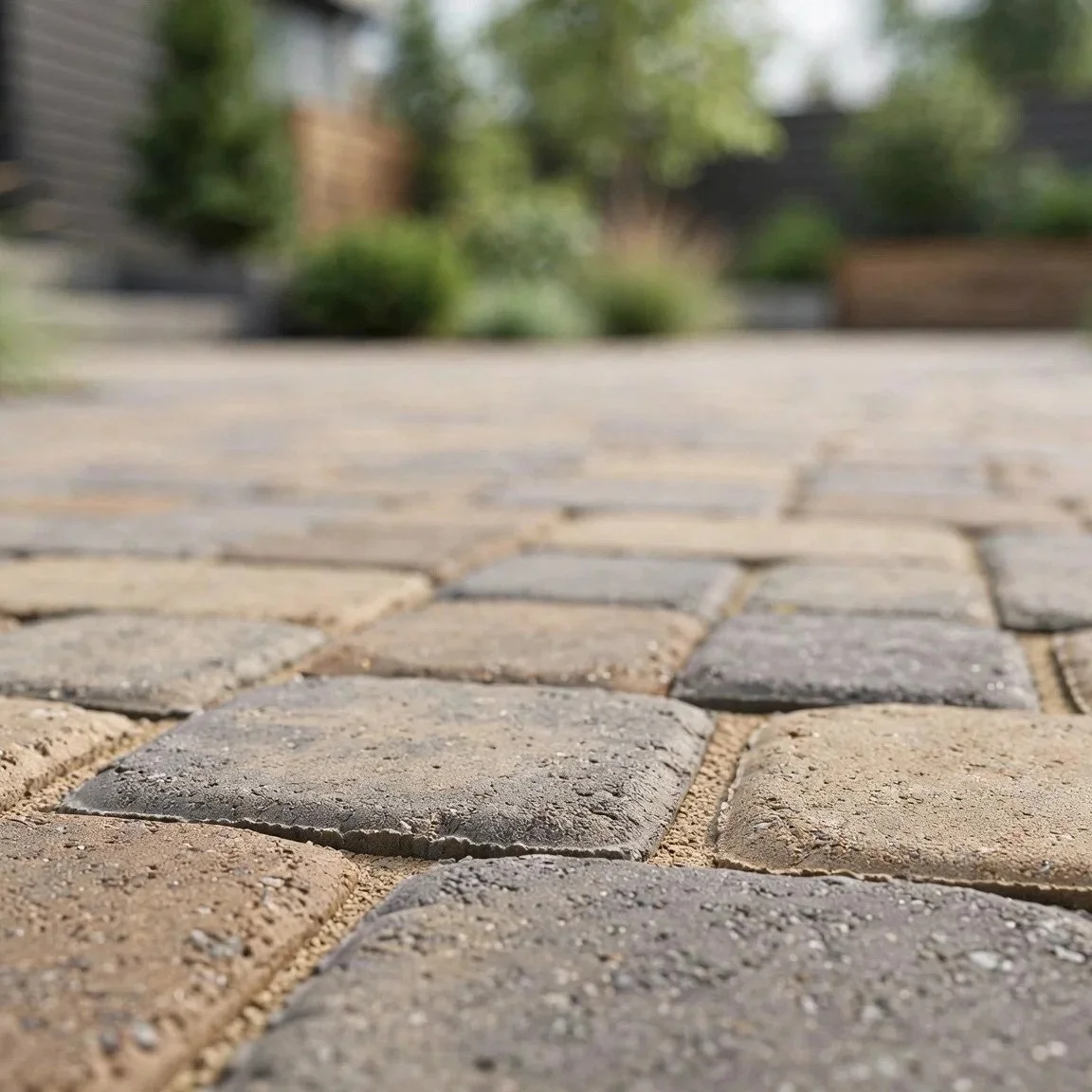
Most paver regret starts with a good-looking sample chosen for the wrong spot. A homeowner falls for a smooth, glossy stone, sets it around a pool, and spends the next summer watching guests slip. Or a thin decorative unit meant for a garden path ends up under a truck and hairlines within a season. The paver was not defective. It was simply asked to do a job it was never built for.
Choosing well is less about finding the single "best" paver and more about matching a material's strengths to the demands of one specific area. A driveway, a patio, and a pool deck each ask for different things: different strength, different texture, different behavior in heat and moisture. Get the match right, and the surface quietly does its job for twenty or thirty years. Get it wrong, and no amount of sealing rescues it.
Match the Material to the Job First
Before comparing colors, decide what the surface has to survive. That single question narrows the options faster than any showroom walk.
A driveway carries thousands of pounds and constant turning loads, so it needs compressive strength and thickness above everything else. A patio holds furniture, foot traffic, and the occasional dropped grill tool, so comfort underfoot and color longevity matter more than raw load rating. A pool deck stays wet and barefoot, so slip resistance and a surface that does not bake in the sun move to the top. A walkway sits between all of these: real traffic, but a lot of visual real estate that people notice up close.
Naming the use first turns an overwhelming catalog into a short list. Only after the job is clear does it make sense to weigh one material against another.
The Main Paver Materials and Their Tradeoffs
Four material families cover the large majority of residential projects. Each has a genuine sweet spot and a genuine weakness.
Concrete Pavers: Concrete is the workhorse. It comes in the widest range of shapes, colors, and thicknesses, holds up under heavy load when specified correctly, and is the most widely stocked option. The tradeoff is fade: pigments are mixed into the concrete, and years of sun can soften the color, especially in darker tones. Modern face-mix pavers pack the color and durable aggregate into the top layer, which slows fading, and a periodic sealer helps. For versatility across driveways, patios, and walkways, concrete is hard to beat.
Brick and Clay: Genuine clay brick is fired, not pigmented, so its color runs through the whole unit and barely fades. That color stability is its signature strength, along with a classic, timeless look and real durability. The tradeoffs are a narrower palette (reds, browns, buffs, and blends of those) and a firmer, less cushioned feel underfoot. Clay pavers can also chip at the edges under sharp impact, though the exposed clay still matches because the color goes all the way through.
Travertine and Natural Stone: Travertine and other natural stones deliver a premium, quarried look no manufactured unit fully imitates, and travertine in particular stays noticeably cooler underfoot than many darker surfaces, which makes it a longtime pool-deck favorite. The catch is variability. Natural stone differs in hardness and porosity from one type to the next; most of it needs periodic sealing to resist staining and moisture, and softer stones can pit or wear where traffic is heaviest. It rewards the buyer who understands what they are handling and maintains it.
Porcelain Pavers: Porcelain is the dense, low-maintenance newcomer. Fired at very high temperatures, it resists stains, fading, scratching, and moisture better than almost anything else, and it cleans up with little effort. The tradeoff is installation: porcelain is hard and rigid, demands precise cutting tools, and is unforgiving of a sloppy or uneven base. Done right, it lasts beautifully. Done cheaply, it telegraphs every flaw underneath.
Matching Pavers to the Application
With the materials understood, the use case points to the right fit.
Driveways need thickness and strength above all. Look for a paver rated for vehicular load and installed on a deeper, well-compacted base than a patio would use. Interlocking concrete shapes are popular here because they spread and transfer load across many units instead of one. Thin decorative pavers meant for pedestrian areas do not belong under a car.
Patios get to prioritize comfort and appearance. Foot traffic is gentle, so the decision leans toward texture that feels good, colors that complement the house, and a size that suits the space. Concrete, clay, porcelain, and stone all work; the choice is mostly aesthetic and maintenance preference.
Pool decks live by two rules: slip-resistant when wet, and cool underfoot. A textured or honed finish gives grip, and lighter-colored or naturally cooler materials such as travertine spare bare feet. A sealer that reduces slip, rather than a glossy film that increases it, is the right call here.
Walkways balance both worlds. They see steady traffic and need a stable surface, but they are also seen up close, so pattern and color carry weight. A mid-range thickness on a solid base handles the traffic while the surface does the visual work.
The Factors to Weigh Across Every Project
A handful of variables recur no matter the surface, and running through them prevents most mismatches.
Load and traffic set the minimum strength and thickness. Slip resistance governs anywhere wet or sloped. Heat and glare underfoot matter for barefoot zones, where darker surfaces absorb more sun. Maintenance and sealing vary widely: porcelain asks for almost nothing, while natural stone needs regular attention. Color and fade resistance favor through-body materials like clay and porcelain for spots in constant sun. Drainage decides whether a standard or permeable system fits the site.
Weighing these together, rather than chasing one feature, is what separates a surface that ages well from one that disappoints.
Why the Base Matters More Than the Paver
The uncomfortable truth of paver work is that the unit on top rarely fails first. The base under it does. A premium paver on a poorly built base will still sink, tilt, and separate, while a modest paver on an excellent base stays flat for decades.
A proper base means excavating to the right depth, laying and compacting the aggregate in lifts so it locks together, screeding a consistent bedding layer, and installing edge restraints around the entire perimeter. Those restraints hold the field together; without them, the outer pavers creep outward, and the whole surface loosens, opening gaps and lifting edges that become trip hazards. A bad base is the single most common reason a paver project fails.
The joints matter too. Sand swept into the joints, often a polymeric sand that stiffens after wetting, locks the units against each other so they share load and resist weeds and washout. Skipping or under-filling the joints undoes much of the base work.
WARNING: Call 811 before any excavation so buried utility lines are marked, since hitting a gas or electric line is a serious hazard. Pavers and plate compactors are heavy and cause real injuries when handled carelessly, so treat the install as physical work with proper lifting and footing. And when sealing stone, choose a finish that preserves grip rather than one that leaves a slick film, particularly on any surface that gets wet.
Permeable Pavers and Drainage
Where water needs somewhere to go, permeable pavers earn their place. Instead of shedding runoff toward a drain or a neighbor's yard, they use wider joints filled with small stone and an open-graded base that lets water pass through and soak into the ground below. That reduces pooling, eases pressure on drainage systems, and keeps surfaces from turning into sheets of standing water.
Permeable systems are a specialized build with their own base recipe, so they are a design decision made early, not a swap made at the end. On a flat lot that tends to hold water, they solve a problem no sealer can.
Sealing and Joint-Sand Upkeep
Finished pavers are low-maintenance, not no-maintenance. Sealing, where the material calls for it, refreshes color, adds stain resistance, and on porous stone reduces moisture uptake; it is typically redone every few years rather than annually. Joint sand slowly works out under rain and traffic and gets topped up periodically to keep the interlock tight. A quick sweep of fresh sand and an occasional reseal is the whole routine for most surfaces, and it is what keeps a good install looking new far longer than a neglected one.
Frequently Asked Questions
What thickness should a driveway paver be versus a patio paver?
As a rule of thumb, vehicular areas use pavers around 2.375 inches (60 mm) or thicker, while pedestrian patios and walkways commonly use units near 1.375 inches (about 35 mm) or standard 2.375-inch pavers on a shallower base. The paver spec and the base depth are matched together; a thick paver on a thin base still fails.
Can I install new pavers over an existing concrete slab?
Sometimes. An overlay system uses thinner pavers set on a bedding layer over a sound, well-draining slab, but the slab must slope correctly and be free of major cracks or heaving. If the existing concrete already moves or holds water, the pavers will inherit those problems, so a full base rebuild is usually the safer path.
How do I stop weeds from growing between my pavers?
Weeds sprout in joint sand that has washed out and collected windblown soil. Keeping joints fully topped with polymeric sand, which hardens after wetting, blocks most seeds, and a properly compacted base with a separation fabric underneath limits growth from below. Weeds are a symptom of thin or missing joint material more than of the pavers themselves.
Do darker pavers really get hotter underfoot?
Yes. Darker surfaces absorb more solar radiation and can run meaningfully hotter than light ones in direct sun, which is why pool decks and barefoot patios often use lighter colors or naturally cooler materials like travertine. If a dark paver is the aesthetic goal, reserving it for shaded or foot-traffic-light zones avoids the hot-surface complaint.
How long do paver installations typically last?
A properly installed paver surface commonly lasts 25 to 50 years, and because units are individual, a damaged one can be lifted and swapped without redoing the field, unlike a poured slab that must be patched or replaced. The base and edge restraints, not the paver, usually determine whether it reaches the top of that range.
What is efflorescence and should I worry about it?
Efflorescence is a temporary white, powdery haze that surfaces when natural salts in concrete pavers migrate up and dry out, most visible on new installs. It is cosmetic, not a defect, and generally weathers away within the first year or clears with a dedicated efflorescence cleaner. Sealing too early can trap it, so many installers wait before applying the first sealer.
Bring your patio, driveway, or pool-deck plan to our yard and match the right paver to the job before you buy. North Valley Stone Supply serves Phoenix, Scottsdale, and the Valley. Call (623) 244-8657.