
The Arizona Stacked Stone Already Looks Washed Out
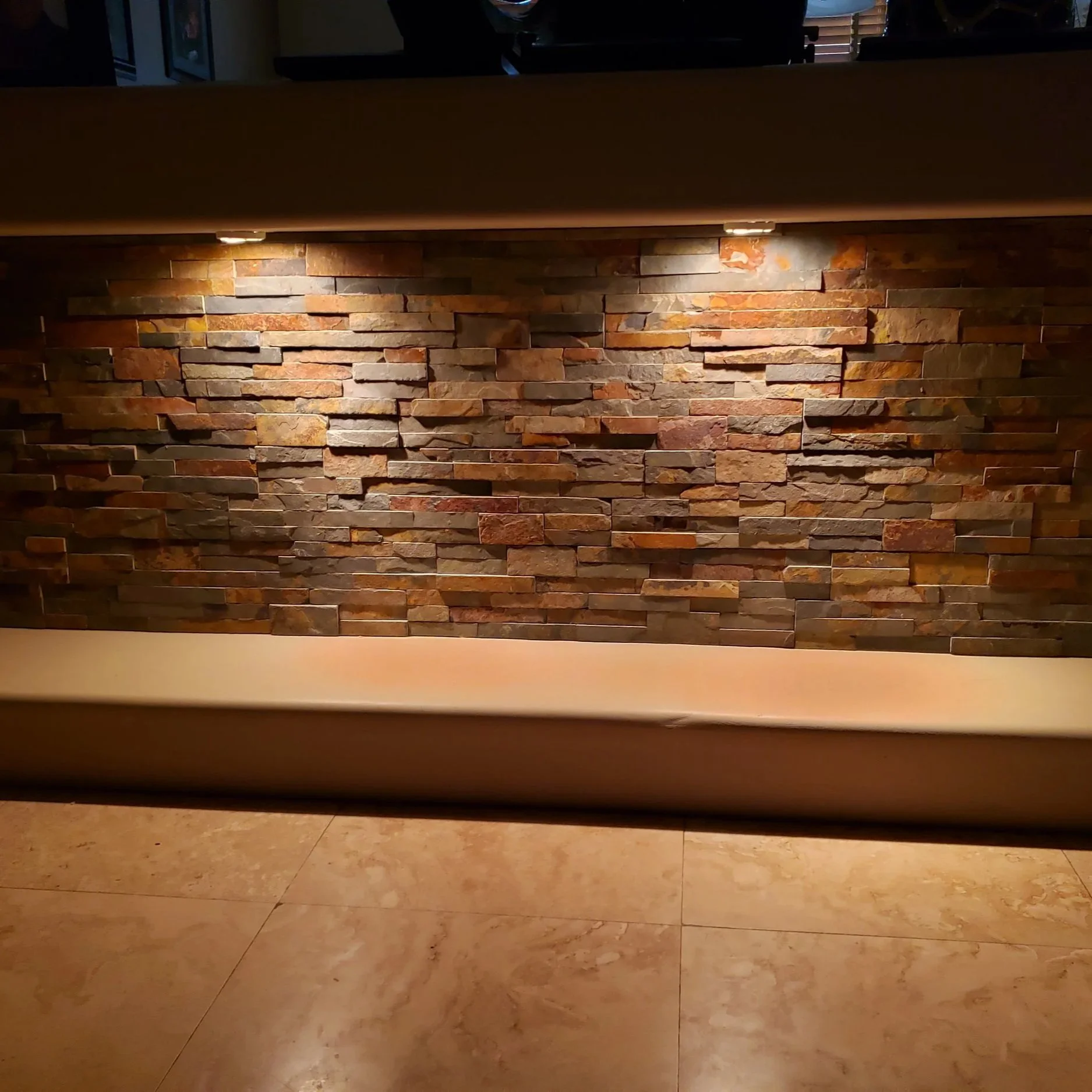
I just paid for that wall, and now it looks dusty, tired, and older than the house next door.
Why does my stacked stone already look faded and chalky? I just paid for that wall, and now it looks dusty, tired, and older than the house next door.
That washed-out look on stacked stone in Phoenix, AZ, usually shows up right when you start enjoying the space. You walk outside with your coffee, glance at the feature wall or fireplace surround, and instead of rich texture and depth, you see a pale, blotchy surface that feels like a letdown. Fading color leads to frustration first, but it often turns into bigger concerns about wasted money, rising maintenance costs, and whether the material was even right for our desert climate.
Sun, Dust, And Desert Reality No One Talks About
Stacked stone performs differently in Phoenix, AZ, than it does in cooler or wetter climates, and that difference catches homeowners off guard. Intense UV exposure, relentless heat, and fine desert dust all work together to alter how the surface looks over time. Even high-quality stacked stone can appear lighter or chalkier when exposed to months of direct sunlight without proper sealing or maintenance. Many homeowners assume stone is permanently colored throughout and immune to visual change, but both natural and manufactured stone respond to environmental stress in subtle ways.
Fine dust in the Valley settles into the crevices of stacked stone and dulls the depth that made it attractive in the first place. When sunlight hits that dusty surface, it reflects differently, exaggerating the faded appearance. Homeowners often think the color itself has disappeared, when in reality the surface is coated with a thin, light film that alters how light interacts with the texture. Over time, if that buildup combines with mineral deposits from irrigation overspray or monsoon runoff, the stone can develop a hazy cast that feels permanent even when it is not.
Washed Out Or Just Dirty? The Difference Matters
Why does my stacked stone look white and dull after a few months? That is a common search, and the answer often comes down to whether you are dealing with fading, efflorescence, or simple surface buildup. Efflorescence occurs when moisture moves through masonry materials, leaving mineral salts on the surface. In Phoenix, AZ, irrigation systems and brief, but heavy, monsoon storms create the moisture that makes this possible, especially on exterior accent walls and columns.
Homeowners frequently mistake efflorescence for permanent discoloration or cheap material. White, powdery residue sits on the face of stacked stone, making darker tones look washed out. The misunderstanding matters because the fix for efflorescence differs from that for UV fading. Cleaning methods, sealers, and even installation adjustments vary depending on the root cause. Ignoring that difference can lead to repeated cleaning with the wrong products, which can sometimes worsen the appearance and strip protective treatments originally applied.
The Sealer Shortcut That Backfires Later
A major homeowner mistake involves skipping the sealer or choosing the least expensive option available at the time of installation. Many people assume stacked stone does not need sealing because it feels solid and permanent. In reality, proper sealing plays a huge role in how stacked stone holds its color and resists staining in a desert environment. A penetrating sealer reduces moisture intrusion, limits mineral migration, and helps maintain depth of tone.
Cheaper topical sealers often create a short-lived shine that looks great for a few weeks but breaks down quickly under the Arizona sun. When that surface layer degrades, it can leave the stone looking uneven or patchy. Homeowners sometimes reapply more product on top without fully cleaning or stripping the previous layer, which leads to blotchy sections that reflect light differently. Long-term performance depends on selecting a sealer designed for high UV exposure and breathable masonry surfaces. Correct practice focuses on compatibility with stacked stone and the local climate, not just price or initial appearance.
Did I Pick The Wrong Stacked Stone For Phoenix?
Did I pick the wrong stacked stone for my Phoenix house? That question comes up often in conversations at our masonry supply store. Material selection absolutely matters, especially when stacked stone is exposed to full southern or western sun for most of the day. Lighter tones can appear even lighter over time, while certain darker manufactured options may show surface fading more dramatically if they lack UV-stable pigments.
Homeowners sometimes rely on small showroom samples without considering orientation, sun exposure, and surrounding materials. A stone that looks rich under indoor lighting may read completely differently against bright stucco and reflective desert landscaping. At North Valley Stone, we spend time talking through placement, elevation, and how the stone will interact with nearby hardscape, roofing, and paint colors. Choosing the right stacked stone means thinking beyond color alone and considering texture, shadow lines, and how light will hit the surface at different times of day.
Installation Details That Quietly Change Everything
Proper installation plays a hidden but critical role in whether stacked stone looks washed out over time. Mortar selection, moisture barriers, and drainage considerations affect how water moves behind and through the assembly. In Phoenix, AZ, many exterior walls experience irrigation spray or occasional pooling near the base. Without appropriate flashing and drainage planning, moisture can persist behind the stone veneer, leading to mineral migration and surface discoloration.
Homeowners rarely see these layers once the project is complete, so they assume any fading must be a material flaw. In truth, shortcuts during installation often create the conditions that lead to white residue or uneven aging. Using incompatible mortars or failing to account for expansion and contraction under extreme temperature swings can also cause hairline cracks. Those cracks allow moisture in, which then evaporates, leaving deposits that dull the surface. Addressing these details upfront prevents many of the issues that get blamed on stacked stone itself.
Why Does My Stacked Stone Look Different After Monsoon Season?
Why does my stacked stone look different after the monsoon season? Heavy summer storms in Phoenix, AZ, push large amounts of water against exterior walls in a short period of time. Even well-built systems experience rapid wetting followed by intense drying once the sun returns. That cycle can draw minerals to the surface, leaving temporary light patches that concern homeowners who just invested in a new facade.
Rapid drying under extreme heat can sometimes exaggerate color variation, especially in natural stone. When moisture evaporates unevenly, certain areas may appear lighter until the material fully stabilizes. Many homeowners assume the color is permanently altered, when in reality it may return to normal with proper cleaning and time. Understanding seasonal patterns helps set realistic expectations and prevents overreaction that leads to aggressive cleaning or unnecessary replacement decisions.
Maintenance Myths That Lead To Bigger Headaches
Many homeowners believe that stacked stone is completely maintenance-free. Stone feels durable, so the assumption is that it will look the same year after year without attention. In Phoenix, AZ, ongoing dust, irrigation minerals, and intense sun challenge that assumption. Light rinsing, appropriate cleaning solutions, and periodic inspection of sealers all contribute to maintaining depth and vibrancy.
Another common myth is that pressure washing at high settings blasts away discoloration. Excessive pressure can damage mortar joints and drive water deeper into the assembly. That approach often creates the exact conditions that lead to more efflorescence later. Gentle cleaning with products designed for masonry surfaces preserves both the stone and the installation system behind it. Long-term appearance depends less on dramatic fixes and more on consistent, informed care.
The Emotional Side Of A Faded Feature Wall
A stacked-stone feature wall often represents a design upgrade homeowners have envisioned for years. In Phoenix, AZ, outdoor living spaces and dramatic entry facades carry real emotional weight. When that investment starts looking faded or dusty within months, frustration builds quickly. People feel like they wasted money or made a poor decision, and that disappointment lingers every time they pull into the driveway.
Visual impact matters because stacked stone typically anchors a home's aesthetic. When it loses depth, the entire facade can feel flatter. Homeowners sometimes react by repainting adjacent surfaces or adding landscaping to compensate, which increases overall project cost. Addressing the true cause of the washed-out look often restores confidence and saves unnecessary spending on cosmetic changes that do not solve the underlying issue.
How A Masonry Supply Store Can Help Without Guesswork
A masonry supply store that understands local conditions provides more than product on a shelf. Conversations about stacked stone in Phoenix, AZ, need to include sun exposure, irrigation patterns, and how the stone will be maintained over time. North Valley Stone works with homeowners, contractors, and designers across Phoenix and surrounding communities to match products with realistic expectations about performance.
Product guidance includes discussing sealers, cleaning solutions, and installation accessories that support long-term appearance. Rather than treating faded color as a simple cosmetic complaint, we examine the entire assembly and how each layer interacts with our climate. That approach reduces repeat problems and builds confidence that stacked stone can hold its character even under harsh desert conditions.
FAQs
Why does my stacked stone look faded so quickly in Phoenix, AZ?
Intense UV exposure, fine dust, and mineral deposits from irrigation often combine to dull the surface appearance of stacked stone. In many cases, the color has not actually disappeared but is masked by buildup or residue. Identifying whether the issue is surface dirt, efflorescence, or sealer breakdown helps determine the right correction.
Can efflorescence permanently damage stacked stone?
Efflorescence itself is usually a surface issue and does not permanently damage the stone. White mineral deposits can often be cleaned with appropriate masonry products once the moisture source is addressed. Ongoing moisture intrusion, however, can create recurring cycles that affect appearance over time if left uncorrected.
Do I need to seal stacked stone in Arizona?
Sealing stacked stone in a desert climate helps limit moisture movement and maintain the depth of color. A breathable, UV-resistant penetrating sealer is typically recommended over cheaper topical options. Proper application and periodic reapplication support long-term visual performance.
Is pressure washing safe for cleaning stacked stone?
Low-pressure rinsing can be helpful, but high-pressure washing risks damaging mortar joints and forcing water behind the stone. Aggressive cleaning may create more moisture-related issues later. Using products formulated for masonry surfaces and following manufacturer guidance protects both appearance and structural integrity.
Will stacked stone always look lighter over time?
Some subtle aging is normal, especially under strong sun exposure, but dramatic fading often signals surface buildup or sealer issues. Proper material selection, installation, and maintenance significantly influence how stacked stone looks years after installation. With informed choices, homeowners in Phoenix, AZ, and surrounding areas can maintain rich texture and color despite challenging conditions.
North Valley Stone Supply LLC is a family-owned and operated hardscape materials company serving Phoenix and surrounding areas. We strive to bring our customers natural stone and quality materials at affordable prices. Whether you need stacked stones, pavers, or swimming pool tiles, we aim to provide our customers with top quality products at reasonable prices. Call us today.