Arizona Fire Glass Fading in the Sunlight
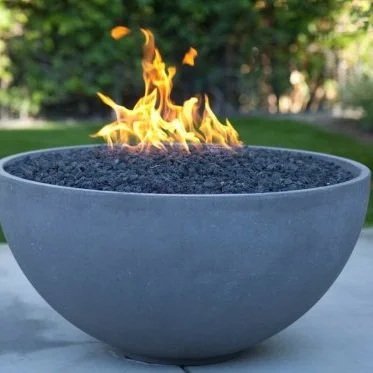
In Arizona, homeowners install fire glass to create a bold focal point in their outdoor living space.
Why does my fire glass already look dull and washed out? I paid for that bright, jewel-toned glow, and now it just looks pale and tired sitting in the Arizona sun.
You step outside in the evening expecting that rich color to pop under the flames, but instead, your fire glass looks cloudy and faded before the burner even turns on. In Arizona, homeowners install fire glass to create a bold focal point in their outdoor living space. When the color starts disappearing after one brutal summer, frustration sets in fast. It feels like wasted money, a letdown every time guests come over, and another reminder that the desert sun seems to win against everything.
What Fire Glass Is Supposed To Do
Fire glass is tempered glass designed for use in gas fire pits and fireplaces. It replaces traditional lava rock or ceramic logs, offering a clean, modern look and vibrant color that reflects and refracts flame. Properly manufactured fire glass should withstand high temperatures without cracking, melting, or releasing harmful fumes. The appeal lies in both its durability and its ability to maintain consistent color under heat.
Many homeowners assume that if fire glass can handle direct flame, it can easily handle sunlight. That assumption makes sense at first glance, but flame exposure and ultraviolet exposure are two different challenges. Heat resistance does not automatically equal UV stability. In Arizona, fire glass sits under intense sunlight for hours every day, often at temperatures far higher than many other regions experience. Over time, that prolonged UV exposure can alter surface coatings or affect lower-quality color treatments.
Is My Fire Glass Actually Fading Or Just Dirty?
Is my fire glass actually fading, or is it just dusty? That is one of the first questions homeowners ask when the color seems to change. Arizona is known for dust storms, dry air, and fine particles that settle into every corner of an outdoor space. Fire glass pieces have smooth surfaces, but dust and mineral residue can still cling to them, dulling their appearance.
Before assuming permanent fading, it helps to consider buildup. Hard water splashes, ash residue from the burner, and airborne dust can create a cloudy film. That film reduces light reflection, making vibrant colors look muted. A careful cleaning can sometimes restore the original brilliance. However, if the color appears uneven, blotchy, or significantly lighter even after cleaning, fading, or coating degradation may be the cause.
The Difference Between Quality And Budget Fire Glass
Not all fire glass is manufactured to the same standard. Some products use solid color infused throughout the glass during production, while others rely on surface coatings or dyes. Lower-cost fire glass often depends on exterior treatments to achieve bright, eye-catching colors. Under prolonged UV exposure in Arizona, those surface treatments can break down.
Higher quality fire glass typically features tempered construction and UV-stable color treatments designed for outdoor environments. Homeowners sometimes choose less expensive options, thinking that all fire glass performs similarly. That shortcut may save money upfront, but it can lead to noticeable fading after one or two summers. When color integrity matters, material quality becomes just as important as visual appeal.
Why Does My Fire Glass Look White Or Cloudy In The Sun?
Why does my fire glass look white or cloudy in direct sunlight? A cloudy appearance may indicate surface etching, residue buildup, or degradation of a colored coating. Arizona’s intense sun accelerates chemical reactions at the surface level. If fire glass contains additives or dyes that are not UV stable, sunlight gradually breaks down those compounds.
In some cases, hard water deposits from nearby irrigation systems contribute to cloudiness. Sprinkler overspray that hits a fire pit area repeatedly can leave mineral deposits on the glass. Over time, those deposits create a hazy film that reduces clarity and vibrancy. Addressing water source issues and cleaning residue can improve appearance, but degraded coatings cannot be reversed once they break down.
Heat From Below Meets Sun From Above
Fire glass in Arizona experiences a unique combination of stress. During the day, it absorbs intense solar radiation. In the evening, it may be exposed to direct flame from a gas burner. That repeated cycle of heating and cooling places stress on both the glass and any applied coatings. Although tempered glass itself handles high temperatures well, color treatments may not respond as predictably.
Thermal cycling can also affect the reflective properties of fire glass. Minor surface changes become more noticeable under direct sunlight. Darker colors may fade unevenly, while lighter colors may appear chalky. Understanding how environmental conditions interact with material properties helps explain why fading often appears sooner in Arizona than in milder climates.
The Common Mistake Of Leaving Fire Glass Exposed Year-Round
A frequent homeowner assumption is that fire features are designed to sit uncovered year-round. While many fire pits are built for outdoor durability, constant exposure to sun, dust, and monsoon rain accelerates wear. Covering a fire pit when not in use protects fire glass from prolonged UV exposure and debris accumulation.
In Arizona, where sunny days dominate most of the year, uncovered fire glass receives nonstop ultraviolet radiation. Even UV-resistant materials benefit from occasional protection. Homeowners who use fitted covers or shade structures often notice slower color changes compared to those who leave fire glass exposed continuously. Small protective steps extend the visual life of the material.
Why Did My Neighbor’s Fire Glass Last Longer?
Why did my neighbor’s fire glass keep its color while mine faded? Several factors may explain the difference. Product quality, placement within the yard, and frequency of use all influence performance. A fire pit located under partial shade experiences less UV stress than one fully exposed to afternoon sun.
Differences in maintenance also matter. Regular cleaning prevents buildup that can trap heat and magnify UV effects. Water chemistry plays a role as well. If one homeowner’s irrigation system sprays directly onto the fire pit while another’s does not, mineral residue may accelerate visual changes. Comparing outcomes highlights how small variations in installation and care create noticeable differences over time.
The Emotional Impact Of A Dull Fire Feature
Fire glass often serves as the centerpiece of an outdoor living area. Homeowners in Arizona invest in fire pits to create ambiance during cooler evenings and add visual interest to patios. When the vibrant color fades, the entire space feels less polished. Instead of a glowing focal point, the fire pit becomes a dull, overlooked feature.
That visual disappointment can undermine the enjoyment of the backyard. Guests may not notice subtle fading at first, but homeowners see it every time they look outside. The frustration builds because the fire feature was meant to elevate the space. Restoring or replacing faded fire glass often revitalizes the entire outdoor area and renews pride in the investment.
Choosing Fire Glass Designed For Desert Conditions
Selecting fire glass for Arizona conditions requires attention to UV stability, color infusion methods, and tempering quality. Solid color infused glass generally resists fading better than surface-coated alternatives. Consulting a knowledgeable masonry supply store helps clarify which products are suited for prolonged sun exposure.
At North Valley Stone, conversations about fire glass often include discussion of placement, sun orientation, and maintenance expectations. Matching product specifications with environmental conditions improves long-term satisfaction. Considering not only how the glass looks under showroom lighting but also how it will perform in direct Arizona sunlight reduces future disappointment.
Maintenance Practices That Support Longevity
Regular cleaning with gentle methods preserves the clarity and reflective properties of fire glass. Removing dust, ash, and mineral deposits prevents surface dulling. Avoiding harsh chemicals or abrasive scrubbing protects coatings and finishes. Light rinsing followed by air drying often suffices for routine care.
Checking irrigation alignment prevents unnecessary water exposure. Adjusting sprinkler heads away from fire pits reduces mineral buildup. Using protective covers during peak summer months limits UV exposure. Small, consistent maintenance efforts extend the visual life of fire glass and keep outdoor features looking vibrant.
FAQs
Why is my fire glass fading in the Arizona sun?
Fire glass may fade due to prolonged ultraviolet exposure, especially if it uses surface-applied color treatments. Arizona’s intense sunlight accelerates coating breakdown. Choosing UV-stable, color-infused fire glass reduces the likelihood of fading.
Can faded fire glass be restored?
Cleaning can remove dust and mineral buildup that dulls appearance, but true color fading caused by UV degradation cannot be reversed. If coatings have broken down, replacement may be necessary to restore original vibrancy.
Does covering my fire pit help prevent fading?
Using a fitted cover when the fire pit is not in use reduces direct UV exposure and debris accumulation. Although it does not eliminate wear entirely, covering fire glass can slow color changes in Arizona conditions.
Is all fire glass safe for high heat and sunlight?
Most tempered fire glass handles high heat from gas burners, but not all products are equally resistant to UV exposure. Selecting fire glass rated for outdoor use and intense sunlight improves long-term performance.
North Valley Stone Supply LLC is a premier provider of stone copings, fire glass, polymeric sand, and pavers in Phoenix and surrounding areas. Our pavers come in various colors and sizes. We offer various delivery options for the convenience of our customers. Get special order items within 72 hours, based on availability. Call us today to place an order.