
Why Do My Landscaping Pebbles Keep Moving?
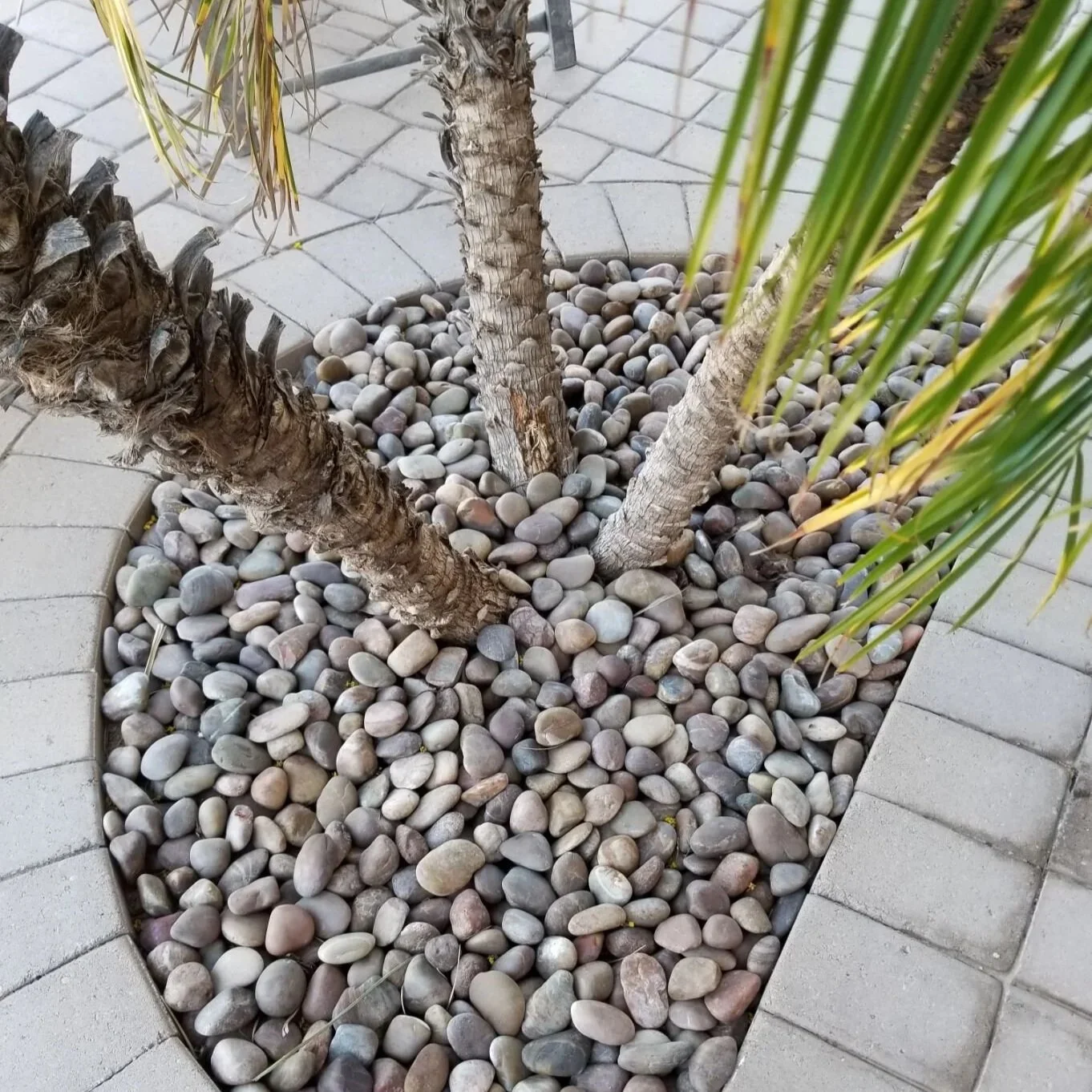
I rake them flat on Saturday, and by Tuesday, my beach pebbles are piled against the walkway and scattered into the lawn.
Why are my landscaping pebbles never where I put them? I rake them flat on Saturday, and by Tuesday, my beach pebbles are piled against the walkway and scattered into the lawn.
That constant shifting drives people crazy because it makes the yard look messy, no matter how often you tidy it up. In Arizona, homeowners install beach pebbles to reduce maintenance, cut water use, and create a clean desert look. Instead, they end up chasing stray stones out of the driveway, unclogging irrigation heads, and wondering why a simple ground cover will not stay put.
Wind, Water, And Gravity Are Always At Work
Arizona may not have constant rain, but when it rains, it pours. Monsoon storms hit hard and fast, sending sheets of water across yards that were dry just hours before. Lightweight beach pebbles can easily shift when water flows across the surface, especially if the yard is not graded to guide runoff in a controlled direction. Even a slight slope toward a walkway or patio can cause pebbles to migrate over time.
Wind is another overlooked factor. In open desert communities and newer subdivisions, wind can move surprising amounts of material. Smaller beach pebbles are particularly vulnerable because they do not interlock tightly. Repeated gusts gradually nudge stones out of place, especially along edges where there is nothing to contain them. Homeowners often assume something is wrong with the product itself when, in reality, natural forces are simply acting on loose material that was never fully restrained.
Did I Choose The Wrong Size Beach Pebbles?
Did I choose the wrong size beach pebbles for my yard? That question comes up often when stones refuse to stay put. Size matters more than most people realize. Smaller pebbles create a smooth, refined appearance, but foot traffic, pets, irrigation spray, and storms more easily displace them. Larger beach pebbles tend to be heavier and more stable, but they alter the landscape's visual feel.
Many homeowners select beach pebbles solely based on color and appearance. They see a beautiful display at a masonry supply store and imagine that same clean look in their yard. Without considering wind exposure, slope, and how the space will be used, they may unintentionally choose a size that requires more maintenance. Matching pebble size to site conditions reduces movement and helps maintain a consistent surface over time.
The Hidden Importance Of Proper Base Preparation
Landscaping pebbles do not just sit on bare soil when installed correctly. A stable base layer beneath beach pebbles provides separation between soil and stone, improving drainage and reducing mixing. Without landscape fabric or a compacted subgrade, pebbles gradually sink into the soil. As they settle unevenly, surface stones shift to fill low spots, creating a constantly changing landscape.
Homeowners sometimes skip base preparation to save time or money. They spread beach pebbles directly over the existing dirt, assuming the stones' weight will hold everything in place. Over time, soil movement, irrigation, and foot traffic disrupt that assumption. Stones migrate, soil rises between them, and the surface becomes uneven. Proper preparation does not eliminate all movement, but it significantly reduces the need for adjustments.
Why Do My Beach Pebbles Keep Washing Into The Street?
Why do my beach pebbles keep washing into the street every time it rains? That search phrase usually follows a heavy storm when homeowners find stones collected along the curb. In Arizona neighborhoods, yards are often slightly elevated above the street to encourage drainage away from homes. Without defined borders or edging, beach pebbles follow the natural flow of water downhill.
Runoff carries smaller stones along the surface, especially when water travels across compacted areas like driveways and sidewalks. Once pebbles leave the landscaped zone, they rarely return on their own. Installing proper edging or containment barriers along the perimeter helps control that migration. Thoughtful grading also directs water through planned channels rather than across decorative areas.
The Mistake Of Thinking Beach Pebbles Are Maintenance Free
A common misconception is that beach pebbles eliminate maintenance. Compared to grass or bark mulch, they certainly reduce watering and trimming. However, loose stone requires occasional redistribution, especially in high-traffic areas. Pets, children, and regular foot traffic naturally displace pebbles over time. Expecting a perfectly flat surface without any upkeep is unrealistic.
In Arizona, homeowners often use beach pebbles to replace lawns and reduce water bills. That goal makes sense, but it does not mean the surface will remain untouched. Periodic raking and smoothing are part of owning a gravel-based landscape. Accepting that minor movement is normal helps reduce frustration and supports better long-term planning, such as adding stabilizing features where needed.
Edging And Containment Make A Bigger Difference Than You Think
Edging acts as the boundary that keeps beach pebbles where they belong. Metal, concrete, stone, or plastic edging provides a physical barrier that resists lateral movement. Without edging, pebbles gradually spread outward, thinning the coverage in some areas while building up in others. Over months and years, the original design loses definition.
Properly installed edging should sit slightly above the surrounding grade to contain stones during heavy rain and irrigation cycles. In Arizona, landscapes with decomposed granite paths or artificial turf often feature common trouble spots at transitions between materials. Beach pebbles easily spill onto adjacent surfaces unless a clear separation is provided. Investing in durable containment reduces the constant need to sweep and reset displaced stones.
Why Are My Beach Pebbles Sinking Into The Ground?
Why are my beach pebbles sinking into the ground instead of staying on top? Sinking often signals inadequate separation between soil and stone. Without landscape fabric or a compacted sub-base, soil gradually mixes with the lower layer of pebbles. Over time, stones appear to disappear, even though they are simply settling into the earth.
Arizona soils vary widely, from sandy desert soils to expansive clay. Clay soils in particular shift with moisture changes, creating pockets that swallow smaller stones. Addressing sinking issues may require lifting sections of beach pebbles, regrading the soil, and installing proper underlayment. Ignoring the problem allows uneven surfaces to develop, which then encourages more visible movement across the top layer.
Pets And Foot Traffic Add Constant Motion
Backyards are not static spaces. Dogs running laps along fence lines, children playing, and adults walking daily paths create patterns in the landscape. Beach pebbles in high-traffic zones move faster than in decorative areas that rarely see activity. Over time, pathways form naturally as stones are pushed aside.
In Arizona, many homeowners design outdoor living spaces with seating areas, fire pits, and grill stations. Repeated movement between these features gradually shifts pebbles along the most traveled routes. Adding stepping stones or defined walkways in those corridors reduces disturbance to the surrounding beach pebbles. Recognizing how the yard is actually used helps create a more stable and practical layout.
Irrigation Spray And Water Pressure Effects
Irrigation systems often contribute to pebble movement without homeowners realizing it. Sprinkler heads aimed too low or too forcefully at the ground create concentrated streams of water. That pressure displaces beach pebbles, especially lighter varieties. Over time, small depressions form where water consistently hits the same spot.
Adjusting sprinkler direction and pressure can reduce that localized movement. Drip irrigation systems beneath the pebble layer offer a more controlled approach in many Arizona landscapes. By delivering water directly to plant roots without spraying across the surface, drip systems minimize disruption to beach pebbles and help maintain a cleaner, more stable appearance.
The Visual Frustration Of A Messy Landscape
One of the biggest emotional pain points tied to shifting beach pebbles is the feeling that the yard always looks unfinished. Homeowners invest in landscaping to create curb appeal and a sense of order. When stones constantly migrate, the space can appear neglected even if it is regularly maintained.
In Arizona neighborhoods where desert landscaping is the norm, consistency and clean lines matter. Stray pebbles along walkways or mixed into turf disrupt the visual balance. That daily irritation builds over time, especially for homeowners who chose beach pebbles specifically to simplify upkeep. Understanding the causes of movement allows for targeted adjustments rather than ongoing frustration.
How A Masonry Supply Store Supports Smarter Choices
As a masonry supply store serving Arizona, North Valley Stone regularly discusses beach pebbles with homeowners who are experiencing movement issues. Product selection is only part of the equation. Conversations also cover base preparation, edging options, and compatibility with irrigation systems. Matching the right pebble size and weight to site conditions makes a noticeable difference.
Guidance from experienced suppliers helps homeowners anticipate how beach pebbles will behave in desert environments. Selecting heavier stones for windy areas, incorporating defined borders, and preparing a stable base reduce long-term maintenance. Thoughtful planning at the beginning often prevents the repeated cycle of raking and redistributing that so many people find frustrating.
FAQs
Why do beach pebbles move so easily in Arizona yards?
Beach pebbles move due to wind, heavy rain, irrigation spray, and foot traffic. Arizona's monsoon storms and dry, windy conditions create repeated surface disturbance. Smaller pebbles are especially prone to shifting without proper edging and base preparation.
Can I stop my landscaping pebbles from moving completely?
Completely eliminating movement is unrealistic, as beach pebbles are designed to be loose. However, proper edging, heavier stone selection, and stable base layers significantly reduce how much they shift. Minor maintenance will still be part of owning a pebble landscape.
Do larger beach pebbles stay in place better?
Larger beach pebbles generally resist movement better because they are heavier and interlock more effectively. They are less likely to wash away or blow around compared to smaller stones. Choosing the right size depends on both aesthetic goals and site conditions.
Should I use landscape fabric under beach pebbles?
Landscape fabric helps prevent soil from settling into stone and reduces sinking over time. It also limits weed growth and stabilizes the surface. Proper installation beneath beach pebbles improves long-term appearance and reduces uneven settling.
North Valley Stone Supply LLC offers top-quality beach pebbles, stone copings, fire glass, and polymeric sand to customers in Phoenix and surrounding areas. We ensure a 5-star experience for both new and returning customers. Get top-quality materials at affordable prices. Call us or fill out the form on our website.